


Okay, so check this out—I’ve been poking around Solana wallets for a while, trying to find a browser extension that actually fits how I work. Wow! The first thing that hit me was speed; transactions on Solana feel snappy, and a good extension amplifies that. Initially I thought all wallets were just UI skins on the same tech, but then I noticed big differences in UX, security trade-offs, and DeFi integrations. On one hand ease-of-use matters a ton, though actually security quirks under the hood can be the dealbreaker for power users.
Whoa! My instinct said: don’t just chase features—test the flow. Seriously? I tried sending a test SPL token and the confirmations came back faster than I could blink. That first impression stuck with me, because somethin’ about latency changes how you use apps every day. Initially I thought transaction speed was only about on-chain throughput, but then realized the wallet’s background behavior and network routing matter too. So yeah—performance isn’t just about the chain.
Hmm… I’ll be honest: the onboarding experience is what hooked me. Wow! It was simple to create a wallet and back up a seed phrase, without weird prompts asking for personal info. The popup design feels native, and the permission prompts are clearer than in many other extensions I’ve used. On reflection, smaller touches—like contextual help and easy token imports—made me trust the product more. I’m biased, but a polished onboarding is a very very big deal to me.
Whoa! Now, a quick practical note—if you want to try this out, grab the official download for phantom wallet from the developer site; do not install random builds. Seriously? Always verify the URL and check browser store details before you click. Something felt off about some third-party clones I saw during my research—so double-check. I’m not 100% sure every copycat is malicious, but the risk isn’t worth it.
Okay, so check this out—security practices are what separate casual users from pro DeFi traders. Wow! Most of the time you can rely on the extension to keep private keys encrypted locally, but browser vulnerabilities or malicious sites still pose risk. Initially I thought that hardware wallets are only for high rollers, but then realized they add a straightforward layer of defense when linked, because approvals happen on-device. On the flip side, pairing a hardware wallet can sometimes complicate mobile cross-device workflows.
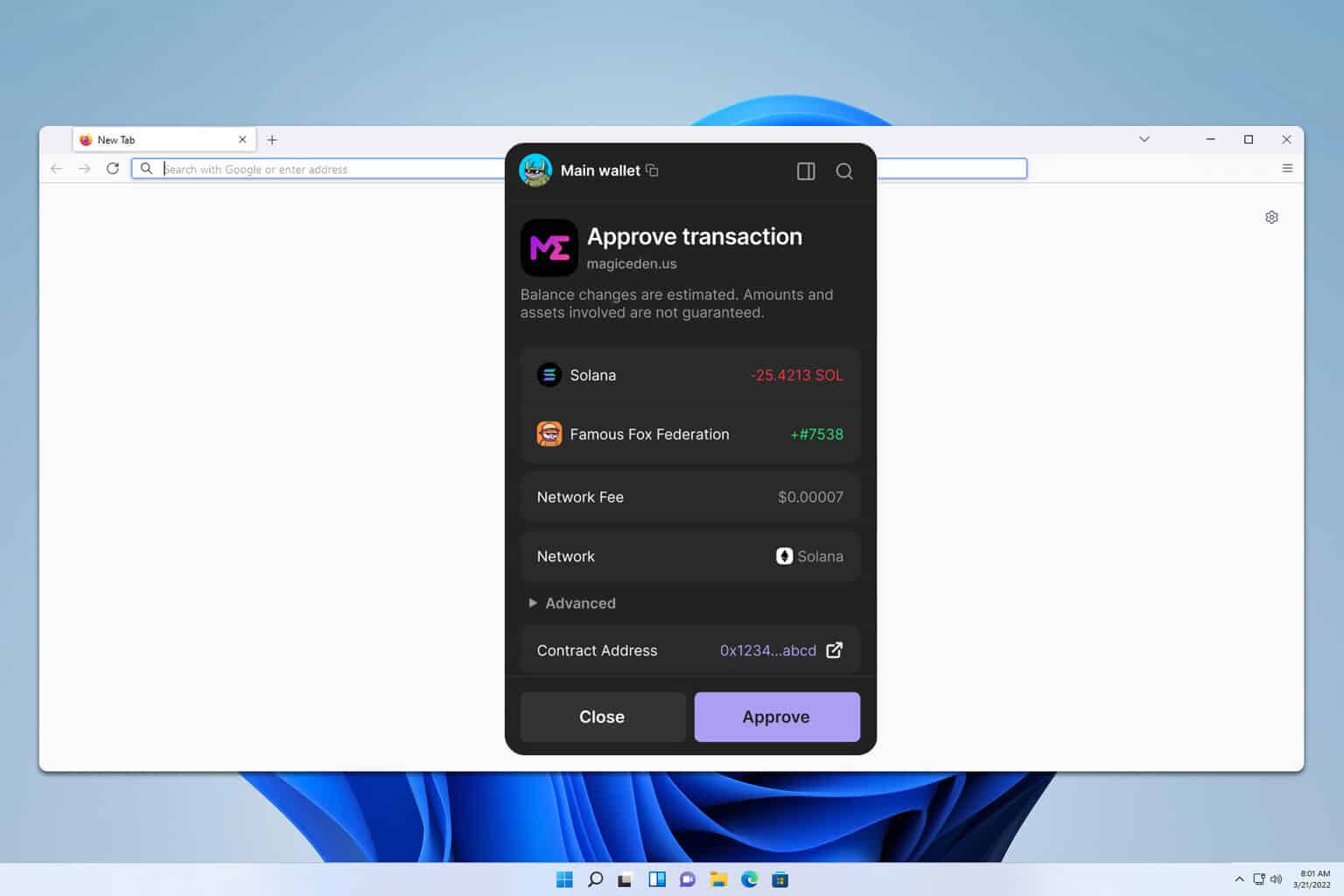
Whoa! Integration with DeFi built-ins matters more than I expected. Seriously? If a wallet has native swap features and token-list integrations the whole experience is smoother. I’ve used wallets that force you to copy-paste addresses into sites, which is clumsy and error-prone, and I’ve used ones that let you approve transactions inline. The difference is like night and day, particularly when you’re interacting with yield protocols where timing is important. This is where UX and safety must balance carefully.
Hmm… On the analytical side, here’s what I ran through: transaction signing, permission granularity, and session timeout behavior. Wow! The extension should let you limit approvals (single-use vs unlimited) and show clear warnings when a dApp requests account history. Initially I thought unlimited approvals were fine for convenience, but then I saw how dangerous that was when a compromised dApp could siphon tokens. So actually, my approach changed: default to one-off approvals and use an allowance manager if available.
Whoa! One thing that bugs me is gas fee visibility—Solana fees are low, but knowing the exact lamports cost helps. Seriously? Good wallets show estimated fees, recent network congestion, and let you tweak priority. My instinct said that these settings are overkill for most people, but they are crucial when you’re moving funds between exchanges or chasing an airdrop where timing matters. I’m not 100% sure everyone needs to tweak them, but at least show them.
Okay, practical workflow—how I use a Solana browser extension day-to-day. Wow! I keep three accounts: one for small daily interactions, one for DeFi experiments, and one cold storage (paired via a hardware device). That separation reduces my blast radius when a site misbehaves. Initially I thought a single wallet was easiest, but then realized multi-account discipline saves grief. Storage hygiene is boring, but it’s effective—label accounts, export public addresses, and never paste private keys into web forms.
Whoa! Syncing with mobile apps is another wrinkle. Seriously? If you rely on phone confirmations, pick a wallet with a solid mobile app or a secure QR pairing flow. I tried using wallets that only supported seed export for mobile sync, and the process was tedious and risky. On one hand deep integrations (push notifications, biometrics) are really convenient, though on the other they introduce new attack vectors if the mobile OS is compromised. So I keep the most sensitive funds offline.
Hmm… About DeFi: bridging, swaps, lending—these features are what drew me to Solana wallets in the first place. Wow! Native swap interfaces reduce slippage and often route across AMMs for better pricing. Initially I thought all swaps were basically the same, but then I found big price differences when using different aggregator paths. If you trade frequently, check which liquidity sources the wallet taps before executing a big trade. Also, slippage settings matter; set conservative values unless you want to chase a fast fill.
Whoa! One real-world snag I ran into: token visibility and custom mints. Seriously? Some tokens don’t show up by default and require manual addition. That took me a hot minute to figure out, and I almost thought my funds were missing. On the plus side, the extension makes it easy to add custom SPL tokens if you have the mint address handy. I’m biased toward wallets that remember tokens and let you hide unused ones—makes the list manageable instead of a cluttered mess.
Okay, here’s a thing—permissions and domain whitelisting. Wow! Good wallets show the requesting domain, the exact permission set, and let you revoke access later. Initially I thought permissions were ephemeral, but then realized many dApps request persistent transaction signing rights. Actually, wait—revoke unused permissions regularly. My instinct said “one click is fine”, though repeated clicks grow into risk if you’re not vigilant. Use the wallet’s activity log to audit what you’ve approved.
Whoa! Troubleshooting is simpler than you think when you know where to look. Seriously? Clearing local site data, reimporting with seed phrase (careful!), or reconnecting the hardware wallet solves a surprising number of issues. Something felt off the first time my extension wouldn’t pair, but resetting permissions fixed it. (oh, and by the way…) always keep a secure backup of your seed phrase before attempting resets.
What to watch for when choosing a Solana extension
Whoa! Reputation and community trust are huge. Seriously? Check GitHub, changelogs, and community channels before trusting a wallet for large sums. Initially I judged wallets by features, but community audits and transparent development practices are better predictors of long-term safety. On the technical side, prefer wallets that publish security audits and follow secure update practices, because browser extensions update frequently and you want honest release notes.
Hmm… Support for hardware devices should be non-negotiable for heavy users. Wow! Hardware pairing may be slightly inconvenient, but it significantly reduces exposure to browser-level exploits. My instinct said hardware was optional, though experience flipped that view—once you lose funds to a phishing script, convenience no longer looks attractive. So use a hardware key for significant holdings.
Whoa! Another caveat: extension permissions in the browser. Seriously? Extensions that ask for broad tab access or data access deserve skepticism. Initially I thought blanket permissions were the norm, but wallets that limit themselves to necessary APIs are preferable. On the other hand, some legitimate features require extended permissions, so weigh functionality against privacy. I tend to choose the least-permission route unless a feature is worth it.
Hmm… Accessibility and localization matter too, even if they seem trivial. Wow! A wallet that supports multiple languages and keyboard navigation shows maturity and a user-first approach. I’m biased toward products that cater to diverse audiences because that usually means better documentation and support. Something as small as clear error messages saves hours when you’re troubleshooting a failed swap.
Common questions I get asked
Is a browser extension safe for holding large amounts?
Short answer: not by itself. Wow! For day-to-day amounts it’s fine, but for large holdings use a hardware wallet paired to the extension or keep funds in a cold wallet. Initially I thought browser encryption was enough, but browser exploits and phishing are real threats. Use multi-account separation and never share your seed or private key.
How do I recover my wallet if my browser profile is lost?
Use your seed phrase. Seriously? Backup your seed phrase offline (paper, hardware-secured) and verify it before deleting profiles. Something felt off about digital backups for me, so I prefer physical backups stored in safe places. If you lose the seed phrase, recovery options are extremely limited.
Can I connect the extension to mobile dApps?
Yes, many wallets support mobile pairing. Wow! QR pairing and deep links are common, but check the wallet’s mobile app reviews and connection stability. On one hand pairing is convenient, though on the other it can expose you to new attack surfaces if mobile security is lax.
Okay, final thought—wallets are tools, not magic. Wow! Using them effectively means training good habits, staying skeptical of unfamiliar sites, and separating funds by purpose. Initially my approach was trial-and-error, but that turned into a set of routines that keep me calm even during network congestion and airdrop mania. I’m not 100% done learning, though—DeFi evolves fast, and wallets change with it. If you want a smooth path into Solana DeFi, try the extension linked earlier for a sensible mix of UX and security (phantom wallet), verify the source, and start small.
